HW-01 · Electric hot water
Electric Hot Water Repairs & Replacement, Gold Coast
Electric hot water is still the most common system on the Gold Coast. When yours stops heating, leaks or can't keep up, we diagnose the fault and replace failed units with the right size for your household and tariff. Based in Parkwood, we look after electric hot water in Ashmore, Labrador, Gaven, Southport and suburbs across the Gold Coast.
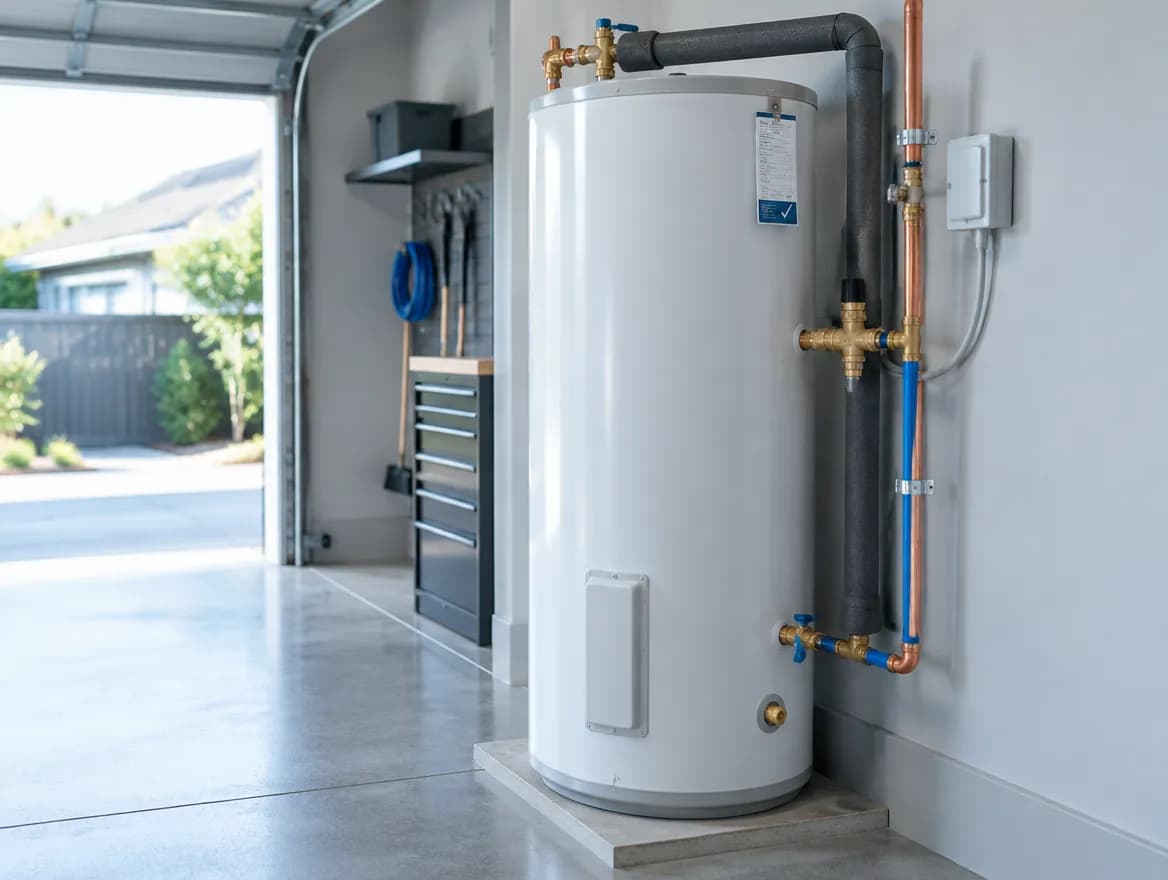
Typical problems
Electric hot water problems we fix on the Gold Coast
- No hot water, or lukewarm water
- Relief valve dripping or discharging constantly
- Leaking or rusting tank
- Running out of hot water on an off-peak tariff
- Breaker tripping when the unit heats (electrical side, licensed electrician required)
What a visit may involve
Methodical, not one-size-fits-all.
- 01
Checking the relief valve, tempering valve, tank condition and connections
- 02
Confirming the tank size and tariff that suit your household
- 03
Replacing like-for-like or upsizing where you keep running out
- 04
Electrical connection by an appropriately licensed person
What you receive
- A correctly sized replacement, installed and tested
- Tempering valve fitted or checked for 50°C at bathroom outlets
- Old unit removed and compliance paperwork completed
Scope and limits
Faults in elements, thermostats and wiring are electrical work. We'll tell you when an electrician is needed, and organise the connection on replacements.
Electric hot water not heating? Call, or send us a photo of the label.
Local knowledge
Electric hot water in Gold Coast homes
Most electric hot water on the Gold Coast runs on an off-peak controlled-load tariff. Tariff 31 heats overnight only, so it needs a bigger tank; Tariff 33 is available for most of the day, so a smaller tank can keep up. Tariffs are set by your retailer on the Energex network. If your household has grown, or you've moved from Tariff 33 to Tariff 31, running out of hot water is often a sizing problem rather than a fault.
Most electric failures we see are either the tank itself (water at the base means the cylinder has rusted through and must be replaced) or the heating side: a failed element or thermostat. Elements and thermostats are electrical work, so we tell you when an electrician is needed and organise the electrical connection on replacements.
Coastal homes have one more factor. Every steel tank has a sacrificial anode that corrodes so the tank doesn't. Hard-working or neglected anodes run out, and salt air shortens the life of external fittings near the beach and the Broadwater. In townhouses and units, the tank is often in a cupboard or on a balcony, so we check access, drainage and the space before the day, and confirm the replacement will physically fit.
Good to know
Electric hot water: what's normal, what's not, and the rules.
Most Gold Coast homes still heat water with an electric storage tank. A little knowledge helps you spot problems early and know what a proper replacement includes.
Rules and standards that apply
- AS/NZS 3500.4 Heated water services
- Stored at 60°C or more to control Legionella
- No hotter than 50°C at bathroom outlets (tempering valve)
- Replacement is notifiable work, lodged with QBCC
How an electric storage system works
An element heats water inside an insulated steel tank, controlled by a thermostat, and the tank stays at mains pressure so hot water reaches every tap. Most units are connected to an off-peak tariff so the element only runs during cheaper periods. Water heaters are designed to keep stored water at 60°C or above, which controls Legionella bacteria.
The relief valve: a drip can be normal
The temperature and pressure relief valve near the top of the tank lets out water as it expands during heating, so a small discharge while the unit heats is normal. A constant trickle or steady flow is not. It usually means the valve is worn, or the water pressure is too high and needs a pressure-limiting valve.
Manufacturers commonly recommend gently lifting the valve's easing lever every six months, and replacing the valve about every five years. If water keeps running after you let the lever go, or the valve hasn't been touched in years, it's worth having it looked at.
The anode protects your tank
Inside the tank is a sacrificial anode, a metal rod that corrodes so the tank doesn't. Once it's used up, the tank itself starts to rust. Many manufacturers suggest checking the anode around the five-year mark. Replacing it in time can add years to a tank that's otherwise sound.
Temperature and safety requirements
When a water heater is installed or replaced, hot water to bathroom outlets must be limited to 50°C to reduce the risk of scalds, which is usually done with a tempering valve. Kitchen and laundry outlets can run hotter. We fit or check the tempering valve on every replacement.
Replacement is notifiable work
In Queensland, replacing a water heater is notifiable work. The licensed plumber must lodge a notice with the Queensland Building and Construction Commission (QBCC) within 10 business days of finishing. You should receive a copy. It's a quick way to tell the work was done by a licensed plumber and recorded properly.
Electrical work is separate
Elements, thermostats and wiring are electrical work. A plumber handles the tank, valves and water connections. The electrical side must be done by a person with the appropriate electrical licence, and we'll tell you when that's needed.
Thinking beyond a like-for-like electric tank? Compare the other options: all Gold Coast hot water systems, heat pump hot water, gas continuous flow and solar hot water.
Reviews
Read what Gold Coast customers say on Google.
Reviews from real customers live on our Google Business Profile.
Service areas
Electric hot water across the Gold Coast: where we work
Based in Parkwood, we cover Gold Coast suburbs within about 30 minutes: from Ormeau and Pimpama in the north to Burleigh and Currumbin in the south, and out to Nerang and Mudgeeraba.
Central: Parkwood, Southport to Mermaid Beach
- Electric hot water Parkwood
- Electric hot water Arundel
- Electric hot water Molendinar
- Electric hot water Ashmore
- Electric hot water Southport
- Electric hot water Benowa
- Electric hot water Bundall
- Surfers Paradise
- Main Beach
- Broadbeach Waters
- Clear Island Waters
- Mermaid Waters
- Broadbeach
- Mermaid Beach
Broadwater: Labrador to Hope Island
North: Helensvale and Coomera to Ormeau
- Electric hot water Gaven
- Electric hot water Helensvale
- Electric hot water Pacific Pines
- Oxenford
- Upper Coomera
- Maudsland
- Coomera
- Pimpama
- Ormeau
- Ormeau Hills
- Willow Vale
- Wongawallan
- Jacobs Well
West & South: Nerang to Currumbin
- Electric hot water Nerang
- Electric hot water Highland Park
- Electric hot water Carrara
- Merrimac
- Worongary
- Gilston
- Tallai
- Robina
- Mudgeeraba
- Advancetown
- Reedy Creek
- Varsity Lakes
- Burleigh Heads
- Burleigh Waters
- Tallebudgera
- Palm Beach
- Elanora
- Miami
- Bonogin
- Currumbin
- Currumbin Waters
All Gold Coast service areas · Not listed? Call us and we'll confirm.
Questions
Electric hot water FAQs: Gold Coast
How long do electric hot water systems last on the Gold Coast?
Often around 10 to 15 years. Water quality, the condition of the sacrificial anode and mains pressure all affect it, and units near the beach or Broadwater can show external corrosion sooner.
Can you replace an electric hot water system in a Gold Coast unit or townhouse?
Usually, yes. We check the cupboard or balcony space, access, drainage and any body corporate rules first, so the replacement fits and complies.
What size electric hot water system do I need?
As a guide on an economy (Tariff 33) supply: around 125 litres for 1 to 3 people, 160 litres for 3 to 5, and 250 litres or more for larger households. On a night-only off-peak tariff (Tariff 31) you generally need a larger tank, because it reheats once a day.
What are Tariff 31 and Tariff 33?
They are Energex off-peak tariffs for controlled loads like hot water. Tariff 31 heats overnight only; Tariff 33 is available for most of the day. Your retailer sets the price and the exact times. The right tank size depends on which one you're on.
Should I replace my electric unit with a heat pump?
Often worth considering. A heat pump does the same job using much less electricity and may attract an STC discount. It costs more up front, so we'll compare both for your home.
Why is my hot water only lukewarm?
Common causes are a failed element or thermostat (electrical), a faulty tempering valve, or the tank running out on a night-only tariff. We check the plumbing side and tell you if an electrician is needed for the element or thermostat.
How long does a like-for-like replacement take?
Once the right unit is on site, a straightforward like-for-like swap usually takes a few hours. Upsizing, moving the unit or changing system type takes longer, and we'll tell you before we start.
My unit is in a cupboard in an apartment. Can it be replaced?
Usually, yes. Compact and slimline tanks are made for units and cupboards. We check access, the space available and any building rules, such as booking a lift or loading bay, before the day.
Connected systems
Related services
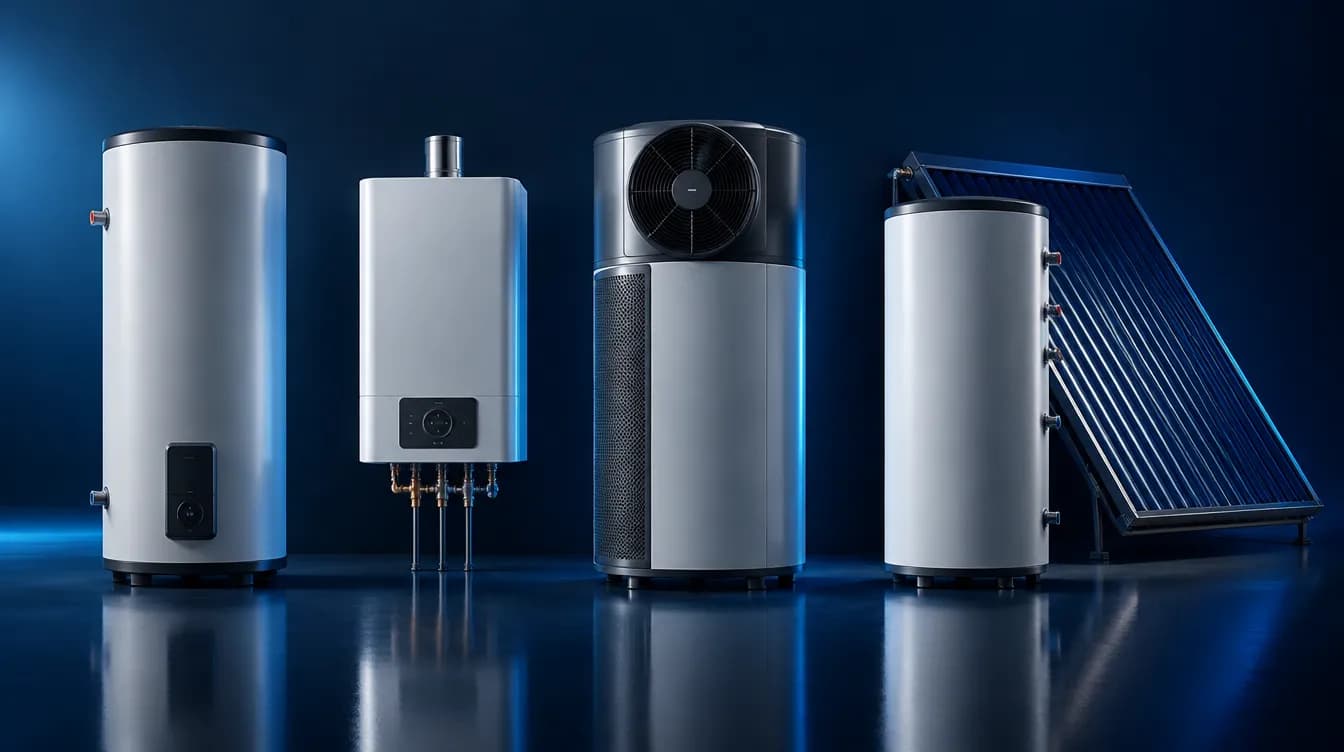 TP-04
Hot water systems
No hot water? Repairs, replacement and new installs for electric, gas, solar and heat pump systems across the Gold Coast.
Explore hot water systems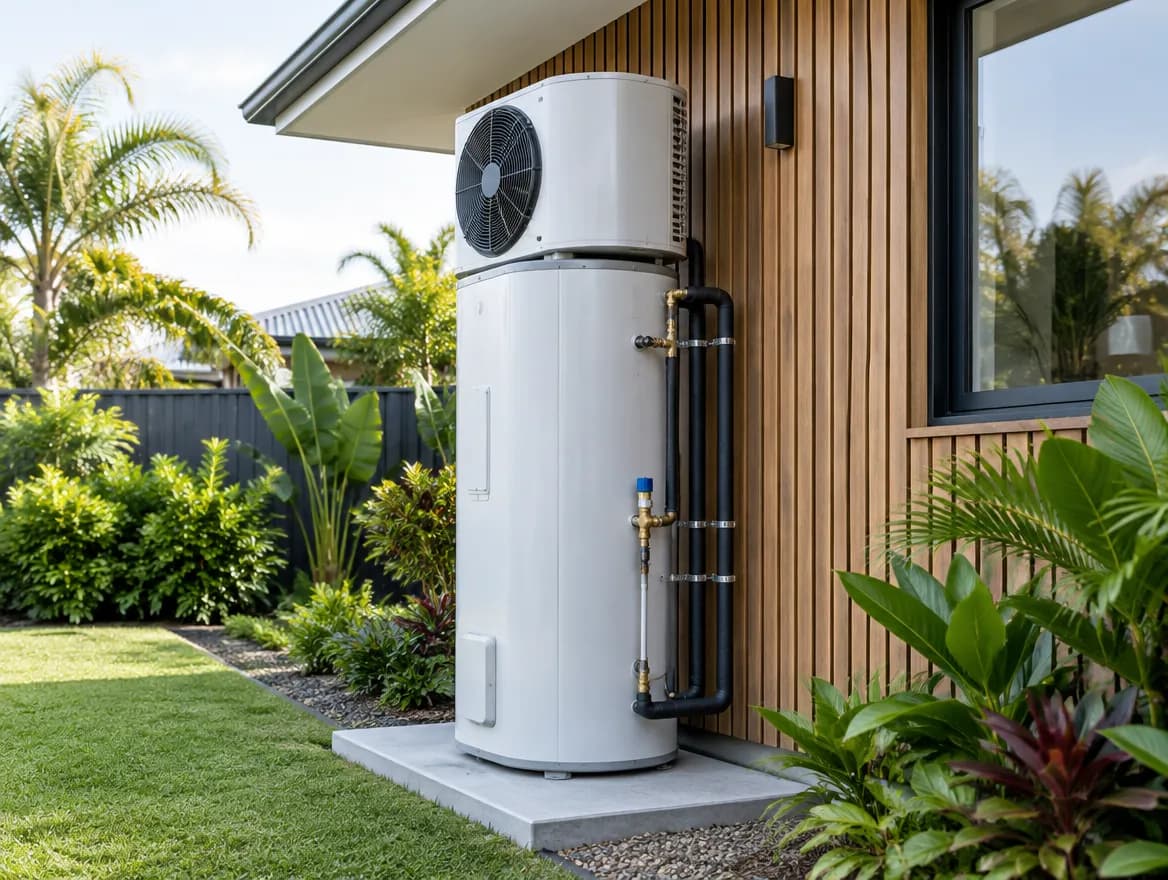 HW-03
Heat pump hot water
Heat pump hot water installs on the Gold Coast, with the federal STC discount where eligible and quiet, sensible placement.
Explore heat pump hot water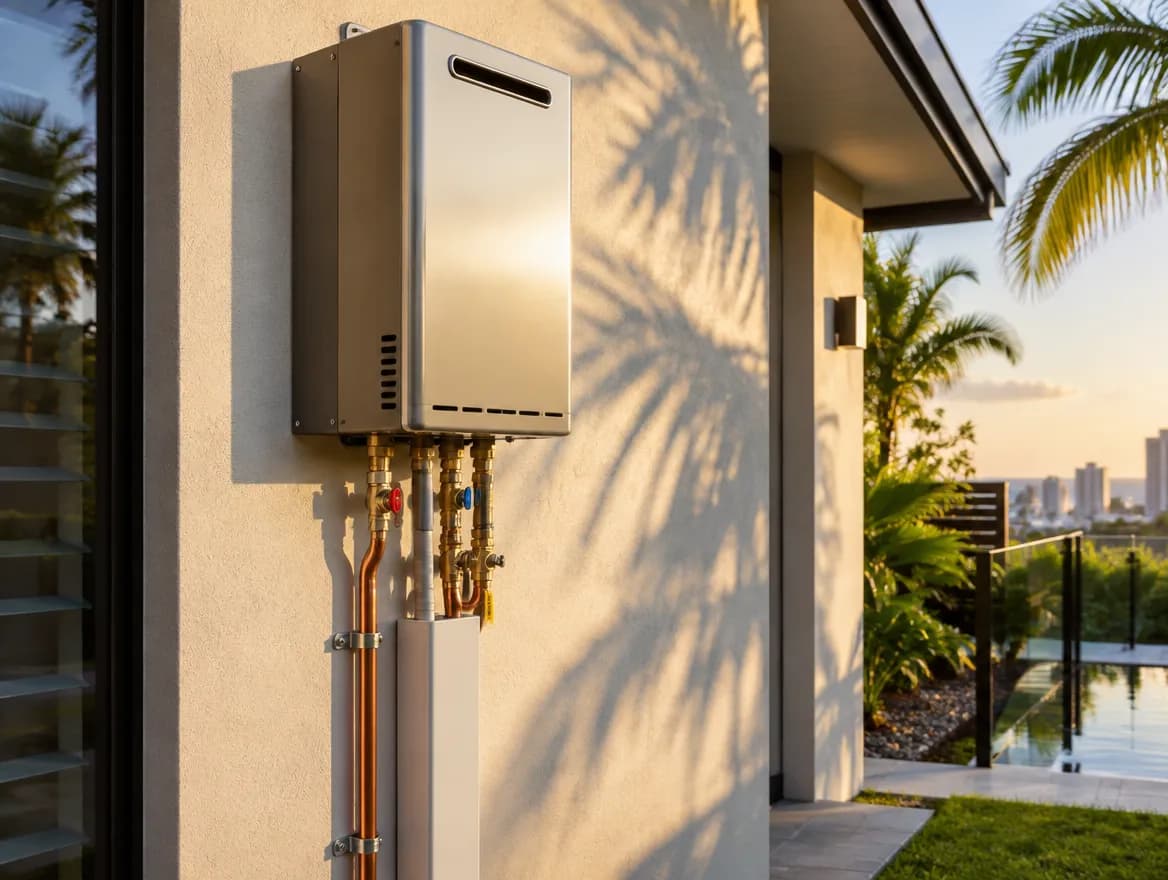 HW-02
Gas hot water
Gas continuous flow and storage hot water on the Gold Coast: repairs, servicing and replacement on natural gas or LPG.
Explore gas hot water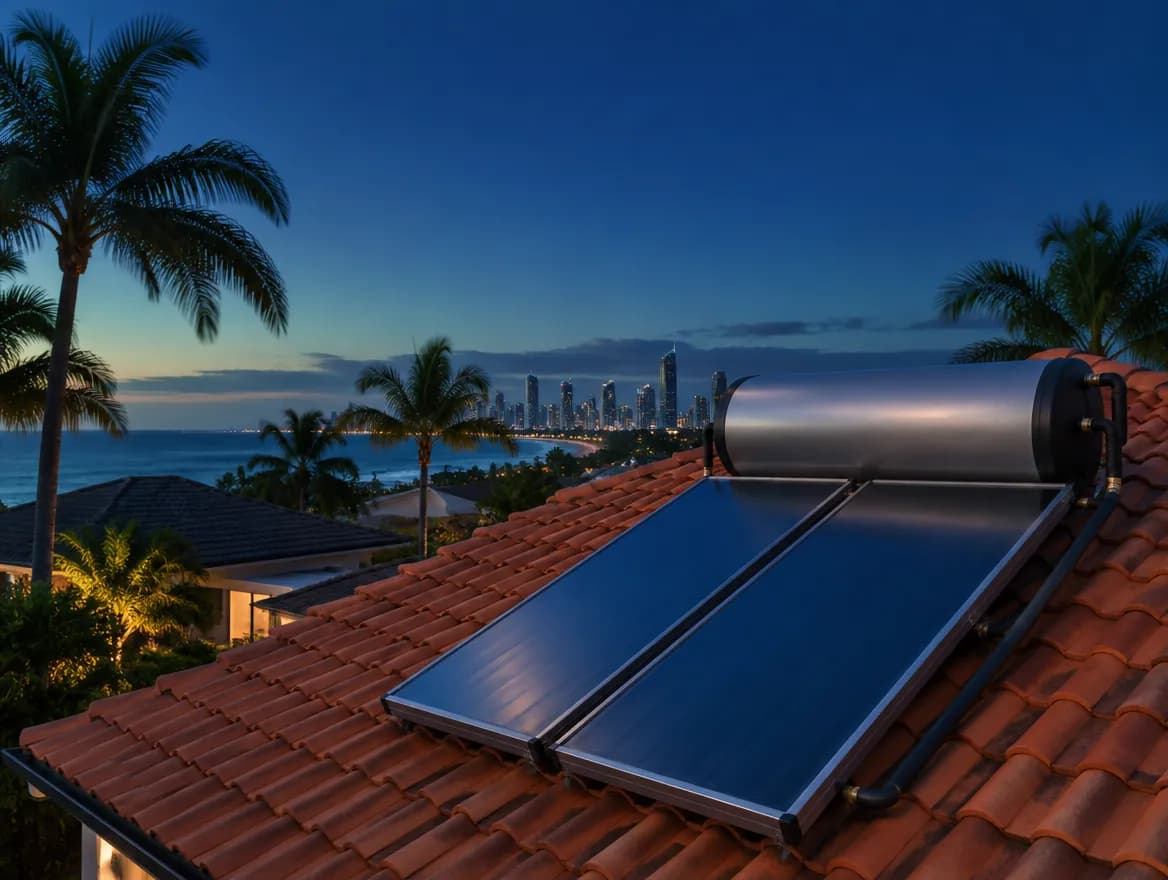 HW-04
Solar hot water
Solar hot water repairs, servicing and new installs on the Gold Coast, including Solahart, boosters and valve faults.
Explore solar hot waterLet's understand the problem
Tell us what you've noticed.
Share what you've noticed, where the property is and what kind of help you need. We'll confirm whether the job fits our service area and scope, then explain the next step.